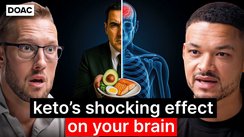
Dr. Andrew Cutnick discusses the critical role of diet in health during a lecture, focusing on the ketogenic diet’s potential to prevent and reverse chronic diseases. He emphasizes the alarming obesity rates in America and the need for effective dietary strategies to manage blood glucose levels and overall health.
Dr. Cutnick opens the discussion by highlighting the significant influence of diet on health outcomes. He cites alarming statistics, such as over 20% of children being obese and 68% of Americans facing obesity, which contribute to increased insulin levels and reduced insulin sensitivity. His personal struggles with obesity and chronic disease led him to explore effective health strategies, ultimately advocating for the ketogenic diet as a means to prevent and reverse chronic diseases.
The conversation shifts to the importance of eliminating sugary and starchy carbohydrates from the diet. These foods can rapidly elevate blood sugar and insulin levels, which hinders fat breakdown. By reducing carbohydrate intake, the ketogenic diet allows the body to switch from glucose to fat as its primary fuel source, a mechanism believed to be essential for survival during food scarcity. The therapeutic potential of fasting is also discussed, particularly its role in managing conditions like epilepsy through the induction of ketosis.
Cutnick emphasizes the relationship between diet and cognitive function, noting that stable blood ketone levels can enhance communication and thinking abilities. He explains that even healthy carbohydrate sources can cause significant blood sugar spikes, especially for individuals with metabolic disorders. Personal experiences shared during the discussion reveal that those with type 1 diabetes have seen substantial reductions in insulin requirements and improved blood sugar control on a ketogenic diet.
The discussion highlights early signs of vascular changes in children diagnosed with type 1 diabetes, particularly related to nitric oxide production. This diminished ability increases the risk of complications, such as retinopathy. A study is referenced, showing that a ketogenic diet can improve glycemic control in diabetes patients by significantly reducing carbohydrate intake, which is linked to glucose spikes.
Cutnick provides a historical overview of carbohydrates in sports nutrition, noting their long-standing association with improved athletic performance. Early studies indicated that carbohydrates helped marathon runners avoid hypoglycemia. However, recent research suggests that athletes on a ketogenic diet can achieve high fat oxidation levels, challenging the traditional view that carbohydrates are the only viable fuel source for intense exercise.
The conversation explores the potential benefits of exogenous ketones, which can rapidly elevate ketone levels in the body. Research indicates that ketones may enhance brain health, improve stability in brain networks, and delay cognitive decline in aging individuals. Additionally, exogenous ketones could help preserve muscle mass in cancer patients, highlighting the therapeutic potential of dietary changes.
A military study is discussed, revealing that individuals on a ketogenic diet can maintain muscle mass even under caloric restriction. Cutnick notes that the diet stabilizes glucose and insulin levels, which may reduce hunger due to fewer fluctuations in these hormones. Participants reported decreased appetite, attributed to the types of foods consumed and their metabolic effects.
The speakers emphasize the importance of conscious food choices in today’s food environment, advocating for whole foods and avoiding liquid calories. Regular exercise is also highlighted as essential for health and metabolic optimization. One speaker shares their commitment to daily workouts and resistance training, illustrating the importance of an active lifestyle.
The discussion underscores the necessity of a balanced approach to health, combining intentional food choices, regular exercise, and adequate sleep. The speaker shares experiences with Brazilian jiu-jitsu and aerobic exercises, noting the ketogenic diet’s benefits in managing glucose and insulin levels. They caution against misconceptions regarding healthy foods that can lead to glucose spikes.
Cutnick stresses the importance of individualized dietary approaches, suggesting that while the ketogenic diet may not suit everyone, experimenting with different diets can reveal personal benefits. He highlights the alarming statistics regarding metabolic health in America, with over half the population facing pre-diabetes and high obesity rates, indicating a pressing need for better nutritional practices.
The speaker discusses exclusive content available to a select group, including unreleased clips and community engagement opportunities. They emphasize the importance of joining early to influence the show’s direction, fostering a close-knit audience that can shape future content.
The discussion emphasizes the urgent need for effective dietary strategies to combat rising obesity and chronic disease rates, while recognizing the complexities of individual dietary responses. The potential of the ketogenic diet and personalized nutrition remains a key focus for improving health outcomes.
Original Video: https://www.youtube.com/watch?v=QXUNnXHXeVQ